Ottoman Winged Border Embroidery: A Designer's Review
When I first pulled up the Ottoman Winged Border Embroidery file on my screen, I wasn't looking for another generic scroll to fill space. As a designer who spends hours tweaking digitizing settings and troubleshooting client projects, I need assets that deliver immediate visual impact without causing headaches at the hoop. This design caught my eye because of its specific "Emerald Scroll Filigree" description, promising fluid beauty and mirrored curves. After running it through a series of real-world tests on various substrates, I'm ready to share how this borders category staple holds up when the needle actually hits the fabric.
First Impressions: Mood and Visual Personality
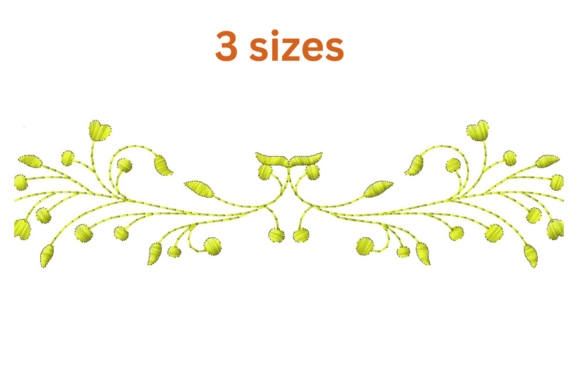
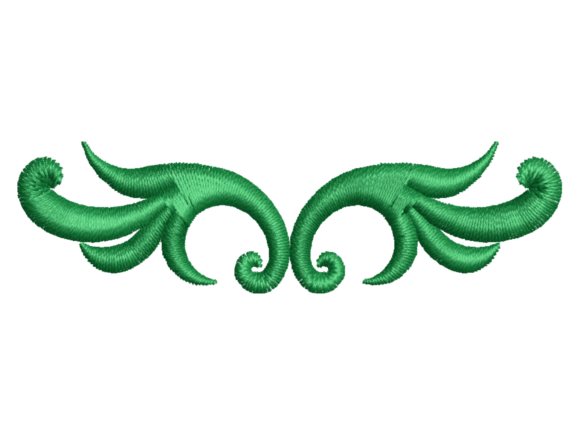
The initial impression of the Ottoman Winged Border Embroidery is one of refined elegance. Unlike some heavy, blocky borders that can look dated on modern apparel, this design features sweeping curves and curled tips that feel organic and alive. The symmetry is precise, creating a balanced frame that draws the eye inward. It has a distinct historical flair—hinting at Ottoman architecture and classic manuscript illumination—but it translates surprisingly well to contemporary handmade product lines.
The layout suggests versatility. It isn't just a straight line; the winged elements give it depth and movement. For an Etsy seller or boutique owner, this kind of visual personality is gold. It elevates a simple item into something that feels custom-curated. Whether you are aiming for a bohemian vibe or a touch of royal sophistication, the design's inherent grace sets the right tone before a single stitch is even made.
Real-World Application: From Tote Bags to Boutique Branding
To truly evaluate an embroidery file, you have to move beyond the digital preview. I decided to test the Ottoman Winged Border Embroidery on a canvas tote bag intended for a local market vendor. The goal was to create a branded merchandise piece that looked expensive but remained durable. Placing the border along the bottom hem of the bag worked beautifully. The mirrored curves framed the blank space perfectly, inviting a monogram or shop logo to be centered above it.
I also tested it on a heavyweight cotton sweatshirt. Here, the design shined as a chest accent or a sleeve detail. The fluidity of the scrolls complemented the casual drape of the garment, adding a layer of intricacy that you don't usually see in standard sweatshirt embroidery. For those running a craft business, this adaptability is crucial. You aren't locked into one niche; this machine embroidery design can transition from a wedding gift pillow cover to a high-end apron for a culinary boutique with minimal adjustment.
In terms of commercial embroidery potential, the design offers strong brand consistency. If you are selling a line of nursery decor, the gentle curls work wonderfully for baby embroidery projects like blanket edges or bib trimmings. Conversely, for holiday embroidery, swapping the thread palette to metallics or deep reds and greens instantly transforms the piece into festive decor. The visual appeal directly impacts customer trust; a clean, well-executed border signals professionalism and attention to detail.
Navigating Fabric Challenges and Stitch Density
While the design is stunning, practical application requires caution. The intricate curled tips and sweeping lines mean that stitch density management is key. On textured fabrics like terry cloth or heavy linen, there is a risk of the finer details getting lost or sinking into the pile. I strongly recommend using a cut-away stabilizer rather than tear-away for this project to maintain the crispness of the filigree over time, especially for items that will undergo frequent washing.
Stretchy fabrics present another consideration. If you are applying this to a fitted cap or a stretchy knit tee, the horizontal span of the border could cause puckering if not hooped correctly. The curved surfaces of caps require careful positioning to ensure the "winged" elements don't distort around the crown's curvature. Additionally, on dark fabrics, you must verify your thread colors. A light thread on dark material might require an underlay adjustment to prevent the fabric from showing through the satin stitches, which could ruin the illusion of solid, flowing lines.
Small hoop sizes can also be a limitation depending on the specific file dimensions provided by the vendor. Always check the hoop size requirements before committing to a project. If the design is too large for a 4x4 hoop but you are working on a baby onesie, you may need to request a resized version or choose a different placement strategy. Never assume compatibility; always review the technical specs included with the digital embroidery file.
Enhancing Value and Professional Presentation
The ultimate test of any design asset is how it affects the perceived value of the finished product. The Ottoman Winged Border Embroidery adds a layer of sophistication that justifies a higher price point. Customers perceive intricate borders as more labor-intensive and artistic than simple straight stitching. This perception boosts buyer engagement and can turn a browser into a buyer.
For digital product sellers creating printable mockup previews, this design photographs exceptionally well. The contrast between the stitched texture and the flat fabric creates depth in images, making your online listings pop. However, remember that what looks good on a screen must hold up in hand. Inspect small details closely after stitching. Are the corners sharp? Is the satin stitch smooth, or are there gaps? These micro-details determine whether your small shop product feels handmade with care or mass-produced with errors.
Final Designer Notes and Best Practices
Before integrating the Ottoman Winged Border Embroidery into your production workflow, here are a few essential steps I take with every new asset:
- Test on Scrap First: Always run a sample on the exact fabric you plan to use. Thread tension and fabric behavior can vary wildly.
- Check Contrast: View your test stitch-out in black and white (or take a photo and desaturate it) to ensure the design elements stand out clearly without relying solely on color.
- Verify Licensing: If you intend to sell items featuring this design or include it in your own design assets pack, confirm the license terms. Some files are for personal use only, while others allow unlimited commercial sales.
- Review Stitch Types: Identify where the designer used fill stitch versus running stitch. This helps you anticipate how the design will wear over time and where reinforcement might be needed.
- Consider the End User: If this is for a personalized gift or a child's item, ensure there are no loose threads or dense areas that could cause discomfort against the skin.
In conclusion, the Ottoman Winged Border Embroidery is a robust, versatile choice for designers who value aesthetic flow and structural integrity. It bridges the gap between traditional ornamentation and modern application effectively. By respecting its density requirements and choosing the right materials, you can leverage this embroidery project to create standout pieces that resonate with customers and elevate your brand's reputation for quality.