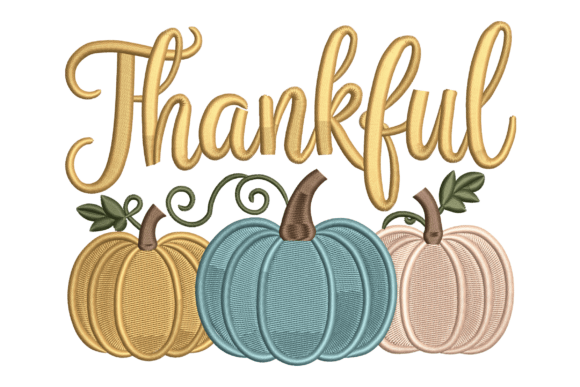
Thankful Pumpkins: A Designer's Review for Fall Projects
As an embroidery designer who spends countless hours digitizing and stitching, I approach every new machine embroidery design with a critical eye. It is not just about whether a file looks pretty on a screen; it is about how it performs under the needle, how it handles different fabrics, and ultimately, whether it adds value to the finished product I deliver to my clients. Recently, I evaluated the Thankful Pumpkins collection available on Creative Fabrica to determine its viability for upcoming seasonal orders. This review breaks down the practical application of these designs for real-world handmade projects.
First Impressions and Visual Mood
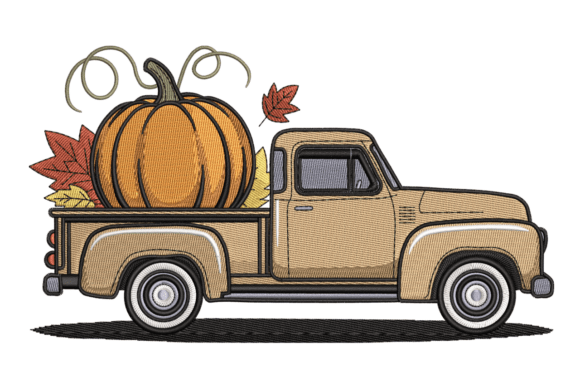
The initial visual impact of Thankful Pumpkins is warm and inviting, perfectly capturing the essence of the harvest season without feeling overly cliché. The designs exude a decorative appeal that balances rustic charm with modern cleanliness. For a designer, the "stitching personality" of a file is crucial, and these designs appear to offer a delightful mix of textures. From what can be gathered from the product presentation, there is a strong emphasis on adding beauty and texture to embroidery work, which suggests a thoughtful combination of stitch types.
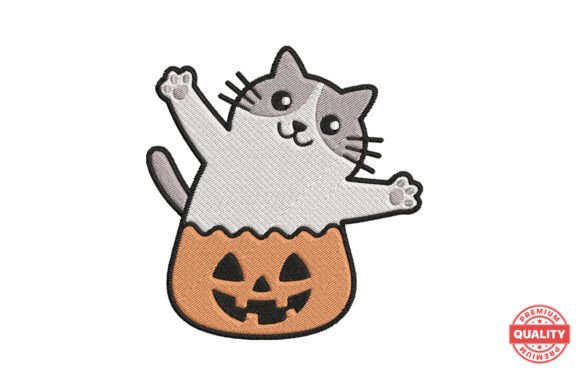
The mood is inherently cozy, making it an ideal candidate for home decor and fashion projects alike. Whether you are aiming for a traditional autumnal look or something slightly more whimsical for a boutique brand, the aesthetic versatility here is promising. The handcrafted feel mentioned in the description is evident, suggesting that these files avoid the sterile, overly perfect look of low-quality digitizing, instead opting for a character that appeals to buyers seeking authentic handmade goods.
Performance in Real Embroidery Projects
When considering Thankful Pumpkins for commercial use, the range of applicable products is extensive. These designs are naturally suited for custom apparel, particularly sweatshirts and hoodies where the texture of the stitches can stand out against fleece or French terry fabric. Imagine a muted orange pumpkin motif centered on a cream-colored sweatshirt embroidery project; the result would be a high-value item perfect for fall retail.
Beyond apparel, these files shine in home goods. A tote bag design featuring these pumpkins could elevate a simple canvas bag into a premium seasonal accessory. For kitchen enthusiasts, applying these motifs to aprons or kitchen towels creates immediate giftability. The scale of the designs seems appropriate for pillow covers and nursery decor, offering a soft, welcoming touch to interior spaces. For Etsy sellers and craft fair vendors, the ability to apply these designs to patches or caps expands the inventory potential significantly.
The true test, however, lies in the technical execution. While the product description highlights the decorative nature of the files, a professional must consider the mechanics of stitching. If the design utilizes dense areas, such as a solid fill stitch for the pumpkin body, one must be mindful of the fabric choice. On stretchy materials like jersey knits, a heavy density could cause puckering if the proper stabilizer is not used. Conversely, if the design relies heavily on satin stitch borders or details, the column width must be appropriate for the thread type being used to prevent fraying or breakage.
Navigating Technical Challenges
Every embroidery file comes with its own set of challenges, and working with seasonal motifs like Thankful Pumpkins requires attention to detail. One critical factor is the hoop size. Before committing to a production run, it is essential to confirm that the design fits within your available hoop dimensions, especially if you are working on smaller items like baby bibs or cap fronts. Curved surfaces, such as those found on baseball caps, demand careful hooping and potentially a different stabilizer strategy than flat goods like tote bags.
Fabric texture also plays a pivotal role. If you plan to stitch these designs on textured fabrics like waffle weave towels or corduroy, the interaction between the running stitch elements and the fabric grain needs testing. Dark fabrics present another consideration; while the designs likely pop well against deep navies or charcoals, ensuring sufficient contrast in the thread colors is vital for visibility. A lack of contrast can mute the intricate details that give the design its unique character.
Furthermore, products that require frequent washing, such as kitchen towels or children's clothing, demand durability. If the design includes small, isolated details or tiny lettering (if any text is included in specific variations), these areas are prone to wear over time. It is advisable to inspect small details after a test wash to ensure the integrity of the embroidery file holds up to consumer use.
Enhancing Product Value and Brand Consistency
Incorporating high-quality assets like Thankful Pumpkins can significantly affect product value. In the crowded marketplace of handmade goods, visual appeal is often the deciding factor for a customer. A well-executed embroidery design conveys professionalism and care, fostering buyer trust. When customers see clean stitch outs with no gaps or bird nests, they perceive the entire handmade product as higher quality.
For business owners, consistency is key. Using a cohesive set of designs helps establish brand identity. If your shop specializes in seasonal goods, having a reliable go-to file for Thanksgiving ensures that your printable mockup photos look consistent across your social media and website. This visual consistency drives customer engagement and can turn a one-time buyer into a repeat client who trusts your seasonal collections.
Moreover, the "giftability" factor cannot be overstated. Items featuring charming, season-specific embroidery are often purchased as gifts. A pillow cover or a personalized tote bag adorned with these pumpkins becomes more than just an object; it becomes a thoughtful gesture. This emotional connection enhances the perceived value of the item, allowing creators to price their commercial embroidery products more competitively.
Practical Notes for the Studio
Before launching into full-scale production with Thankful Pumpkins, there are several practical steps every designer should take. First, always test on scrap fabric that matches your final material. This allows you to check thread tension and density without risking expensive blanks. Second, review the stitch density carefully. If the design feels too heavy, you may need to adjust your machine settings or switch to a lighter weight stabilizer.
It is also wise to compare how the design looks on both light and dark fabric mockups. Sometimes a design that looks stunning on white linen loses its definition on black cotton. Finally, and perhaps most importantly, confirm the file details and licensing terms directly on the Creative Fabrica product page. Understanding the license is crucial before selling finished items commercially. Ensure you know if there are restrictions on the number of physical items you can sell or if there are specific attribution requirements.
Since specific technical data such as exact stitch count, available file formats (like PES, DST, or XXX), and precise hoop requirements were not explicitly detailed in the brief product summary, it is highly recommended to visit the product listing to verify these specs against your specific machine capabilities. Never assume compatibility; always verify.
Final Verdict for Designers
The Thankful Pumpkins collection represents a solid option for embroidery designers looking to expand their autumn catalog. Its strength lies in its versatile aesthetic that bridges home decor and fashion. However, like any digital asset, its success depends on the skill of the operator and the preparation of the materials. By respecting the technical nuances of stitch density, fabric choice, and stabilization, creators can transform these design assets into profitable, beautiful personalized gifts and boutique merchandise. For those willing to do the necessary testing and preparation, this design offers a pathway to creating unique, handcrafted feels that resonate with customers during the Thanksgiving season and beyond.