Wizard Duck on Broom: A Whimsical Halloween Embroidery Review
As an embroidery designer who spends countless hours testing digital files for my personalized gift shop, I am always on the lookout for designs that strike the perfect balance between technical reliability and emotional charm. Recently, I had the opportunity to review the Wizard Duck on Broom machine embroidery design. With Halloween approaching, the demand for seasonal yet playful items is skyrocketing. This review explores how this specific embroidery file performs when translated from a screen to a tangible, handmade product, and why it might be the perfect addition to your catalog of custom embroidery offerings.
First Impressions: Charm Meets Technical Precision
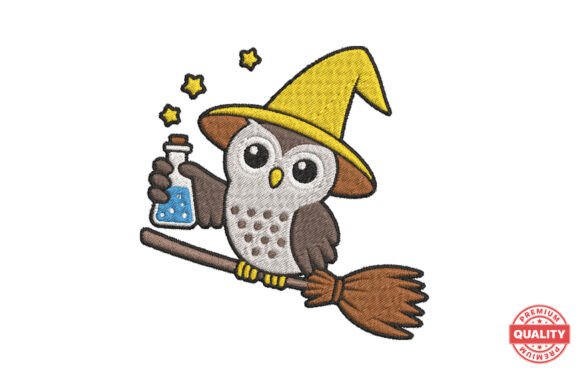
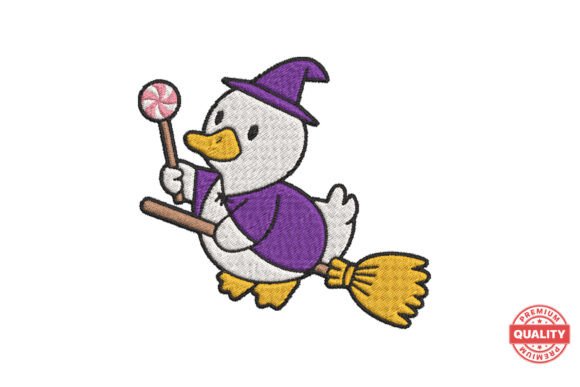
Upon loading the Wizard Duck on Broom into my editing software, the first thing that struck me was its delightful mood. There is a distinct sweetness to the character; it feels less like a scary Halloween motif and more like a whimsical storybook illustration come to life. For a designer, this emotional appeal is crucial. Customers aren't just buying a stitch pattern; they are buying a feeling. This design exudes a playful, modern vibe that fits perfectly into current trends for nursery decor and family keepsakes.
The detail level appears robust without being overly complex. In the world of commercial embroidery, overly dense files can lead to puckering, while sparse files lack definition. The Wizard Duck on Broom seems to navigate this well, offering enough texture in the duck's feathers and the broom's bristles to create visual interest, while maintaining clean lines that should stitch out smoothly on most home machines. It feels elegant in its simplicity, making it a versatile choice for various fabric textures.
Versatility in Application: From Nursery to Kitchen
One of the strongest selling points of this design is its adaptability. While categorized under Halloween, the charm of a wizard duck transcends a single holiday. Imagine using this for a baby embroidery project on a soft muslin swaddle blanket. The whimsical nature makes it an ideal centerpiece for a nursery item that parents will cherish long after October has passed.
For those running an Etsy shop or a small boutique, the potential applications are vast. Picture this design stitched onto a high-quality linen embroidered towel for a kitchen enthusiast, or perhaps on a canvas tote bag for trick-or-treating. It also works beautifully as an accent on a pillow cover, adding a touch of personality to a living room sofa. Because the design is full of personality, it elevates a basic handmade product into something that feels bespoke and thoughtful.
I can easily envision this being a hit for wedding gifts, specifically for couples who appreciate quirky, non-traditional decor. A set of aprons featuring the Wizard Duck on Broom could be a memorable gift for a bridal shower with a magical theme. The key here is positioning; by framing it as a "magical companion" rather than just a spooky icon, you open up your market to baby product creators and general crafters, not just Halloween enthusiasts.
Navigating Fabric Challenges and Stitching Nuances
However, every great design requires careful execution. When planning to use the Wizard Duck on Broom for customer orders, there are specific areas where caution is needed. If you are stitching on textured fabric, such as a waffle-weave towel or a thick terrycloth, you must ensure the stitch density is appropriate. High-density areas might sink into deep piles, losing definition. Conversely, on stretchy baby clothes, the stability of the design is paramount.
Small lettering often accompanies these types of character designs, perhaps saying "Little Wizard" or a name. If this file includes text, extra care must be taken. Small details can get lost on dark fabric or if the thread colors do not offer sufficient contrast. I strongly advise creating mockups on both light and dark fabrics before committing to a production run. Curved surfaces, like the sleeve of a onesie or the side of a mug cozy, also present challenges; the design needs to be hooped perfectly flat to avoid distortion.
Furthermore, products that need frequent washing, such as kitchen towels or baby blankets, require durable stitching. You must verify that the satin stitches holding the broom handle or the duck's hat are secure and that the underlay is sufficient to prevent fraying over time. Always check small details after stitching a test sample to ensure no loose threads or gaps appear.
Enhancing Perceived Value and Customer Trust
In the competitive landscape of digital product sellers and handmade sellers, the quality of your finished product directly impacts buyer engagement. A well-executed Wizard Duck on Broom embroidery signals high standards. When a customer receives a tote bag with crisp, vibrant stitching and no puckering, their trust in your brand solidifies. This perceived value allows you to command higher prices for your custom orders.
Product photography plays a massive role here. The playful nature of this design photographs exceptionally well. Using natural light to highlight the texture of the thread against the fabric can create stunning images for your online listings. A printable mockup can help visualize the final result, but nothing beats a photo of the actual finished product in a real-life setting, such as draped over a crib or hanging in a sunny kitchen.
Practical Notes for the Professional Stitcher
Before you list this as a small shop product or include it in your next craft fair display, adhere to these practical steps to ensure success:
- Test on scrap fabric: Never skip this step. Use the exact material you intend to sell to check for tension issues.
- Check thread color contrast: Ensure the wizard's hat stands out against the background fabric, especially if using dark materials.
- Confirm hoop size: The product description mentions it is easy to stitch, but always verify the required hoop dimensions against your machine's capabilities.
- Review stitch density: If the design feels too heavy for lightweight fabrics, consider adjusting the density in your software if the license permits.
- Use proper stabilizer: Match your stabilizer to the fabric weight. Cut-away stabilizer is often best for stretchy garments to maintain shape.
- Compare mockups: Visualize the design on different colored fabrics to see how the thread colors interact.
- Verify licensing: Crucially, confirm commercial licensing terms before selling finished products. The description states it is for crafting projects, but explicit permission for resale is vital for business owners.
Since the provided description notes that the design is "easy to stitch," it suggests a user-friendly file structure, likely minimizing jump stitches and trims. However, as specific technical details like exact stitch count or file formats were not explicitly detailed in the brief, I advise checking the download package thoroughly before purchase.
Final Thoughts on the Wizard Duck on Broom
The Wizard Duck on Broom is more than just a seasonal decoration; it is a versatile asset for any embroidery business looking to add a touch of magic to their inventory. Whether you are creating a heartfelt wedding gift, a cozy blanket embroidery for a newborn, or a fun accessory for a fall festival, this design delivers on charm and quality. By paying attention to fabric selection, stabilizer choices, and finishing details, you can transform this digital embroidery file into a beloved physical treasure. For the Etsy seller or the independent crafter, this design represents an opportunity to connect with customers through humor, warmth, and the enduring appeal of handmade artistry.